Cattle & livestock
Cow-calf herds on improved pasture are the backbone of small-farm agriculture here. Rocky ground grows grass better than it grows crops, so grazing is the natural fit; goats and sheep suit brushier hill parcels.
Home › Farming in the Ouachitas
Cattle, poultry, hay & timber
The ground here is hilly, rocky, and timbered — so the farms that work are built on pasture, livestock, and trees, not row crops. Here's the honest lay of the land.
Garland County sits in the heart of the Ouachita Mountains, and the terrain writes the rules for agriculture. The ground is generally hilly, rocky, and heavily timbered in pine and hardwood, with thin soils over sandstone and shale ridges. That's beautiful country, but it is the opposite of the flat, deep, well-drained bottomland that big row-crop operations need. As a result, farming here leans toward pasture and livestock, contract poultry, hay, and managed timber rather than the soybeans, rice, and cotton that define the Arkansas Delta to the east.
For a buyer, that means the question isn't "how many acres can I plow" — it's "how much of this parcel is usable pasture, how much is timber, and where's the water." A working spread in this part of Arkansas is often a mix: cleared and fenced pasture for a small cattle herd, a wooded back forty for hunting and timber, and a pond or creek for stock water. If you're weighing raw acreage more broadly, our rural land guide and the Real Hot Springs hub put the whole picture together.
The local mix
Four enterprises dominate small-farm agriculture across the Ouachita foothills — and most working places combine two or three.
Cow-calf herds on improved pasture are the backbone of small-farm agriculture here. Rocky ground grows grass better than it grows crops, so grazing is the natural fit; goats and sheep suit brushier hill parcels.
Arkansas is a leading U.S. broiler-chicken producer, and contract poultry houses exist across the region. It can be a steady income stream, but it's a serious capital and labor commitment — verify any existing houses, contracts, and permits carefully.
Cleared bottoms and gentle slopes are commonly cut for bermuda or mixed-grass hay, feeding your own stock or sold locally. Good hay ground is a real asset — walk it before you assume acreage is usable.
Much of the county is forested, and managed pine and hardwood can be a long-cycle asset on the wooded portion of a parcel. Ask whether timber has been recently cut and whether any timber rights are reserved.
Acreage around Hot Springs tends to come in two flavors. Some parcels are already set up to farm — cross-fenced pasture, working pens, a barn, a stocked pond, maybe existing poultry houses — and command a premium for that infrastructure. Others are raw or partially wooded land where you'd clear, fence, and build from scratch. Neither is automatically the better buy; it depends on how much sweat and capital you want to put in, and whether the existing improvements actually match how you intend to farm.
Whichever way you lean, the fundamentals to verify are the same: usable pasture acreage versus timber, reliable stock water, legal road access, fencing condition, and whether the soil and slope support what you have in mind. Livestock buyers should read our pasture and water guide next, and anyone financing a place should start early with our ag financing overview. If your interest runs more to horses or hunting specifically, our horse-property guide and hunting-land guide go deeper on those.
Watch
A feel for the scale, terrain, and mix of pasture and timber you'll be shopping.
 233-Acre Arkansas Farm for SaleAcreage tour
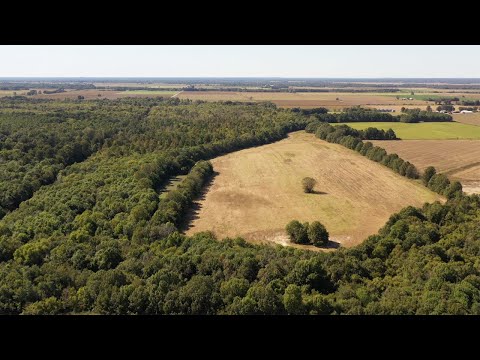 320-Acre Arkansas Farm & Hunting LandLand tour
Tell us what you want to run — a few head of cattle, hay ground, poultry, or timber — and roughly how many acres, and we'll point you to the right corners of Garland County.
Talk to a local guideRelated Hot Springs niches